
Four Quadrant Motor Control
June 8, 2011Solid State Starter Types & Benefits
June 11, 2011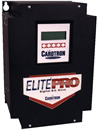
Regenerative Control
Motors use energy during all areas of operation, but with a technique known as regenerative control, DC drives and other motors can send the energy back into the energy supply. This approach is more sustainable and also allows the motor to operate more smoothly, which may reduce wear and tear on components.
Effectively, regenerative control allows a motor to act as a generator while in operation. Energy is regenerated during the braking process (regenerative braking), and the energy output is supplied to an electrical load. Regenerative DC drives are often called “regen drives” for short.
In its basic form, a regenerative motor braking system recovers energy by slowing the motor, and then it actually recycles the energy. For phase-controlled DC drives, regenerative control involves reverting mechanical energy from an armature and the rotating load back onto the AC power line. The motor’s reversal of current causes the rotation of the load to slow down with braking action.
What’s Required for Regeneration?
For motor regeneration to occur, the regen drive needs to be running and energized. When the normal stop command is used to slow the motor, regenerative stopping happens. This is called a ramp stop, where the motor drive regenerates and decelerates according to the deceleration ramp. Some systems also have a current limit stop mode, which bypasses the decel ramp and uses current-limited deceleration instead.
In regenerative control, the energy generated during rotation isn’t wasted but is converted for use elsewhere. Both the drive and motor can handle a certain amount of regeneration without damage.
Generally, drives with regenerative control have twice the circuitry and power components of nonregenerative motor drives. While they tend to be more expensive, the energy, material and time savings they provide make high-ROI investments for most facilities.
Regenerative Motor Drive Example:
Carotron’s Elite Series of DC drives are a great example of regenerative control products. There are models available for regenerative and nonregenerative needs, with a motor horsepower range of 5 to 300.
In a world that’s always trying to find ways to “Go Green” electric motor regeneration can provide a great solution for plants and other facilities that want to keep their DC motors in operation and conserve energy in the process.
Turn to Carotron for Assistance With Motor Regeneration
Upgrading your equipment with electric motor regeneration technology can make your operations more efficient overall. Our team at Carotron can help. We manufacture custom and standard regen technology for industrial machinery across most sectors. Each of our products is extensively tested by our electronic technicians, and our application engineers can work directly with you to create the motor regen solutions you need.